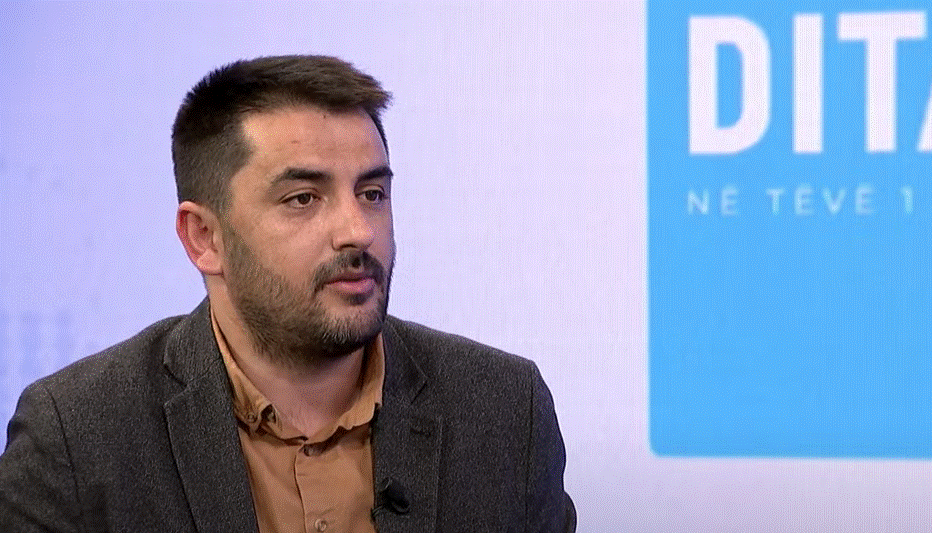
Analisti politik Dorajet Imeri ka ngritur pikëpyetje për mbështetjen elektorale që Aleksandër Vuçiq, raportohet se ka marrë nga votuesit serbë në Kosovë dhe nga të burgosurit në Serbi, duke vënë në pah ndikimin politik të Listës Serbe dhe të rrjeteve të lidhura me Milan Radoiçiqin mbi serbët e Kosovës.
Sipas Imerit, ndonëse votat e serbëve të Kosovës dhe ato të të burgosurve në Serbi përfaqësojnë kontekste të ndryshme, krahasimi i tyre ngre pikëpyetje për varësinë politike dhe ruajtjen e strukturave të pushtetit.
Ai thekson se serbët e Kosovës prej vitesh jetojnë nën dominimin politik të Listës Serbe dhe ndikimin e rrjeteve të lidhura me Milan Radoiçiqin. Në këtë kontekst, Imeri shtron pyetjen se deri në çfarë mase mbështetja elektorale pasqyron vullnetin e lirë politik dhe sa ndikohet nga varësia institucionale, presioni politik dhe mungesa e alternativave të qëndrueshme.
Sipas tij, dobësimi i lidhjeve mes udhëheqjes së re në Serbi dhe Listës Serbe mund të krijojë mundësi për pluralizëm më të madh politik, përfaqësim më të pavarur të serbëve të Kosovës dhe marrëdhënie më të institucionalizuara me autoritetet e Kosovës.
Imeri vlerëson se një transformim i tillë do të mund të shënonte fillimin e kalimit nga një marrëdhënie e karakterizuar nga mosbesimi dhe mohimi i legjitimitetit politik, drejt një qasjeje ku të dyja palët, edhe pa pajtim për statusin, do ta pranonin njëra-tjetrën si realitete politike me të cilat duhet të bashkëjetojnë.
Megjithatë, ai thekson se ndryshimi kërkon më shumë sesa zëvendësimin e elitave politike. Sipas tij, nevojiten ndryshime në diskursin politik, në normat mbizotëruese dhe në mënyrën se si Serbia i përcakton interesat e saj kombëtare në raport me Kosovën.
Në përfundim, Imeri vlerëson se sprova kryesore për Listën Studentore do të jetë gatishmëria për të sfiduar qasjen që e ka lidhur Kosovën me identitetin shtetëror serb dhe për t’u mundësuar serbëve të Kosovës të zhvillojnë përfaqësim politik të pavarur nga Beogradi.
Ai paralajmëron se, nëse Serbia vazhdon ta ndërtojë identitetin e saj politik mbi mohimin e shtetësisë së Kosovës dhe ruan mekanizmat e kontrollit politik mbi serbët e Kosovës, ndryshimi do të jetë vetëm në udhëheqje, jo në politikë.
“Vuçiqi mund të largohet nga pushteti, por trashëgimia e tij politike ndaj Kosovës mund të vazhdojë”, përfundon Imeri.
Political Change in Serbia Does Not Necessarily Entail a Change in Policy Towards Kosovo
The victory of the Student List and the defeat of Aleksandar Vučić would mark a significant shift in Serbia’s political landscape. Nevertheless, an important question remains: whether such a political transition would translate into a substantive change in Serbia’s policy towards Kosovo, particularly regarding the recognition of its independence.
An insightful theoretical perspective is offered by Alexander Wendt’s constructivism, according to which state interests and behaviour are shaped not only by power and material interests, but also by historically constructed identities, norms, and perceptions.
Within this framework, Serbia’s non-recognition of Kosovo is not merely a policy associated with Vučić, but part of a broader political and identity-based construct. Kosovo continues to be perceived not simply as a territorial issue, but as a constitutive element of Serbian national identity. Consequently, Vučić’s departure from power would not automatically transform Serbia’s dominant political narrative concerning Kosovo.
The Student List’s position, which has so far not articulated a clear commitment to recognising Kosovo’s independence, further illustrates that domestic democratisation does not necessarily entail a fundamental reorientation of foreign policy.
A particularly revealing dimension is the electoral support Vučić has reportedly retained among Serbian voters from Kosovo and in Serbia’s prisons. Although these two electoral contexts cannot be equated, their juxtaposition raises important questions about political dependence and the reproduction of power structures. For years, Kosovo Serbs have lived under the political dominance of Srpska Lista and the influence of networks associated with Milan Radoičić. This raises a fundamental question: to what extent does such electoral support reflect freely expressed political preferences, and to what extent is it shaped by institutional dependence, political pressure, and the absence of viable alternatives?
This is precisely where political change in Belgrade could have significant implications for Kosovo. A weakening of the relationship between Serbia’s new political leadership and Srpska Lista could create opportunities for greater political pluralism among Kosovo Serbs, more autonomous political representation, and more institutionalised relations with Kosovo’s authorities.
From a constructivist perspective, such developments could represent the beginning of a gradual transformation: from a relationship characterised by mutual distrust and the denial of political legitimacy towards one in which both sides, even without agreement on status, increasingly acknowledge each other as political realities with which coexistence is necessary.
However, such a transformation requires more than replacing political elites. It requires changes in political discourse, prevailing norms, and the way Serbia defines its national interests in relation to Kosovo.
Ultimately, the defining test for the Student List would not simply be its ability to remove Vučić from power, but its willingness to challenge the political paradigm that has embedded Kosovo within Serbian state identity and to allow Kosovo Serbs to develop political representation independent of Belgrade.
Serbia may change its government and replace its political elites, but if it continues to construct its political identity around the denial of Kosovo’s statehood while maintaining mechanisms of political control over Kosovo Serbs, such developments would represent a change in leadership rather than a genuine transformation of policy.
In the language of Wendtian constructivism, changing who governs Serbia is insufficient unless Serbia also transforms how it defines itself in relation to Kosovo and how it approaches the Serb community living there.
Vučić may leave power, but his political legacy towards Kosovo may endure.
— Dorajet Imeri (@ImeriDorajet) October 26, 2026